Why the Answer Is Rarely as Simple as “Face” or “Neck”
Jowls disrupting the jawline, loose skin beneath the chin, or visible neck bands can each quietly draw attention away from your natural features. For many, these changes appear gradually, sometimes in the lower face, other times in the neck, but commonly in both areas, leading to uncertainty about whether a facelift or neck lift will truly address their concerns. It’s a common frustration: seeking treatment options for facial aging, only to discover that the answer is rarely as black-and-white as “face” or “neck.”
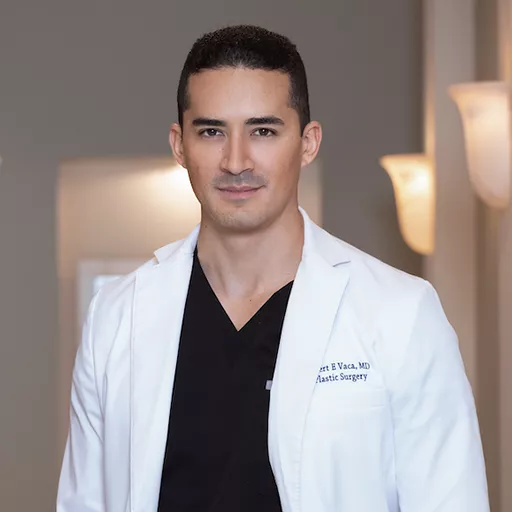
This article explores the differences between facelift and neck lift surgery and explains why the most natural-looking results often come from evaluating the face and neck together—even though they may age at different rates. Drawing on the philosophy of Boca Raton plastic surgeon Dr. Elbert Vaca, you’ll discover why successful facial rejuvenation is not about treating isolated signs of aging, but about restoring facial structure, balance, and harmony. If you’re considering facial rejuvenation, a personalized consultation can help determine whether a facelift, a neck lift, or a combination of both is best suited to your unique anatomy and aesthetic goals.
How the Lower Face and Neck Change With Age
Facial Volume Loss and Tissue Descent
Aging in the lower face is defined by more than just wrinkles. One of the earliest and most impactful shifts is the gradual loss of facial volume. Cheeks may appear flatter, temples may appear hollow, and the area around the mouth and eyes may develop fine lines or deeper folds. This isn’t simply a matter of skin thinning; it’s the result of deeper fat pads losing volume and connective tissues losing their support and shifting downward.
As these structures descend, they contribute to the formation of jowls and pronounced nasolabial folds, while the skin’s natural elasticity diminishes. The result is loss of jawline definition and greater lower-facial heaviness, creating a tired or aged appearance that topical skincare alone cannot address.
Why the Neck Often Reveals the First Signs of Aging
For many patients, the neck is among the first areas to reveal visible signs of aging. The skin here is naturally thinner and subjected to constant movement, making it particularly vulnerable to laxity and crepey texture. Over time, the platysma muscle, running vertically from the jawline to the collarbone, can separate and form visible bands.
In addition, fat may accumulate beneath the chin, blunting the angle between the chin and neck, further diminishing definition. For many, these changes can create a “turkey neck” appearance or persistent fullness that is resistant to weight loss. The result is a neck that looks older or less refined than the rest of the face, highlighting the importance of targeted neck rejuvenation surgery.
Why Treating Only One Area Can Create Imbalance
Addressing only the face or only the neck can sometimes heighten the appearance of aging in the untreated area. For example, a patient who undergoes a facelift for jowls and midface sagging but leaves significant neck laxity untouched may notice a discordant transition between the rejuvenated face and an aging neck.
Conversely, a neck lift that tightens loose skin beneath the chin, but ignores heavy jowls or deep nasolabial folds, may fail to achieve a harmonious and natural result. To restore youthful contours, it is essential to evaluate the lower face and neck together, where treating both often yields the most natural, balanced, and refreshed appearance.
What a Modern Facelift Actually Treats
A modern facelift is a far cry from the outdated notion of simply pulling the skin tight. Today’s techniques focus on repositioning and supporting the deeper facial structures, particularly the superficial musculoaponeurotic system (SMAS) and platysma muscle. By lifting and securing this underlying tissue, surgeons can restore youthful contours while minimizing tension on the skin itself.
This approach not only delivers more durable results but also avoids the over-tightened or artificial look once associated with facial rejuvenation surgery. Dr. Vaca performs a variation of the Extended Dual Plane High SMAS Facelift, a technique that allows the skin and deeper tissues to be repositioned independently, so tension goes where it belongs, on the underlying support structures, producing results that look refreshed rather than pulled.
Aesthetic Concerns a Facelift Procedure Can Improve
A facelift is designed to address several hallmark signs of facial aging:
- Jowls that obscure the jawline
- Loss of jawline definition
- Deep folds around the nose and mouth (nasolabial folds)
- Midface sagging and descent
- Displacement or loss of facial volume
By restoring the foundational support of the lower face, a facelift can create a smoother, more youthful contour while preserving your unique facial character.
What a Facelift Does Not Fully Address
Even with the most advanced techniques, a facelift alone may not fully correct certain neck-related concerns. These can include:
- Pronounced platysmal neck bands
- Excess skin or fat beneath the chin (submental fullness)
- Deep fullness or laxity in the neck
In these cases, combining a facelift with a neck lift (i.e., “lower face & neck lift”) may be necessary to achieve optimal neck rejuvenation.
What a Neck Lift Actually Treats
While a facelift targets the lower two-thirds of the face, a neck lift focuses specifically on rejuvenating the neck and refining the jawline. Surgeons may tighten the platysma muscle, remove excess fat, and excise lax skin to restore a youthful angle between the chin and neck. This procedure is especially effective for patients whose primary concern is loose, sagging, or crepey neck skin that does not match the rest of their facial appearance.
Aesthetic Concerns a Neck Lift Procedure Can Improve
A neck lift is expertly designed to address:
- Loose, sagging neck skin
- Vertical platysmal bands
- Excess fat underneath the chin (often referred to as a double chin)
- Poorly defined jawline or a blunted angle between the chin and neck
For those seeking a sharper, more elegant neckline, this surgery offers precise, targeted improvement.
What a Neck Lift Does Not Address
A neck lift, by its nature, is not intended to treat aging concerns in the midface or around the mouth. Specifically, it will not improve:
- Jowls
- Sagging or flattened cheeks
- Volume loss in the midface or temples
- Deep nasolabial folds
- Marionette lines extending from the mouth to the chin
For complete lower-face rejuvenation, a neck lift is often combined with a facelift.
Facelift vs Neck Lift: A Side-by-Side Comparison
| Concern | Facelift | Neck Lift |
| Jowls | ✓ | Limited improvement |
| Sagging cheeks | ✓ | ✗ |
| Nasolabial folds | ✓ | ✗ |
| Jawline definition | ✓ | ✓ |
| Double chin | Limited improvement | ✓ |
| Neck bands | Limited improvement | ✓ |
| Loose neck skin | Limited improvement | ✓ |
| Facial volume loss | May require fat grafting or fillers | ✗ |
This comparison highlights the difference between facelift and neck lift procedures, making it clear that most patients benefit from a personalized combination, rather than a one-size-fits-all approach.
Which Procedure Is Right for You?
You May Benefit Most From a Facelift If You Notice:
- Heaviness or fullness along the lower face
- Jowls dragging down the jawline
- Flattened or sagging cheeks
- Deep folds around the nose and mouth
These signs typically indicate that facial volume and tissue support have diminished, making a facelift for jowls and lower facial sagging the preferred choice.
You May Benefit Most From a Neck Lift If You Notice:
- A “turkey neck” or visible neck bands
- Excess fullness underneath the chin
- Skin laxity or crepiness in the neck
- Loss of a sharp, youthful neck angle
These features suggest that neck rejuvenation surgery will yield the most noticeable improvement.
You May Be a Candidate for Both Procedures If You Notice:
- Aging changes present in both the lower face and neck
- Significant skin laxity crossing the jawline into the neck
- Loss of jawline definition
- A desire for comprehensive and balanced rejuvenation
When both regions show signs of aging simultaneously, combining a lower face and neck lift can create continuity and harmony, avoiding the unnatural look that sometimes results from treating only one area.
Why Dr. Vaca Frequently Combines Facelift and Neck Lift Surgery
In most patients, the face and neck age together and are best rejuvenated simultaneously. Because they function as a continuous aesthetic unit, treating both regions at the same time creates smoother, more harmonious transitions across the jawline, resulting in an appearance that looks naturally refreshed. A single recovery period also allows both procedures to be performed efficiently without compromising the meticulous attention each area requires. For patients with aging changes affecting both the lower face and neck, this combined approach consistently produces the most balanced and elegant outcome.
It is also worth noting that attention to the neck often distinguishes an average facelift from an exceptional one. Achieving optimal neck rejuvenation frequently requires what plastic surgeons refer to as “opening the neck” – a small, carefully concealed incision beneath the chin that provides direct access to the deeper neck structures. Through this approach, excess fat can be precisely sculpted, the platysma muscle can be tightened along the midline, and the natural definition of the neck and jawline can be restored. In select patients, submandibular gland surgery may be considered. These deeper structural refinements are often what transform a good result into one that appears effortlessly youthful and natural.
The Importance of Structural Rejuvenation
Exceptional, long-lasting results are rooted in one principle: restoring the deeper support structures of the face and neck rather than relying on skin tension to do the work. In practice, this means:
- Repositioning the SMAS layer in the face and tightening the platysma muscle in the neck
- Strategically repositioning tissues and restoring volume where appropriate to recreate youthful facial contours
- Conservatively excising skin so that results appear elegant and natural rather than pulled or overdone
Because the skin and deeper tissues can be repositioned independently, tension is placed where it belongs: on the underlying support structures. This is the foundation of results that look timeless rather than surgical.
See Facelift and Neck Lift Before and Afters*
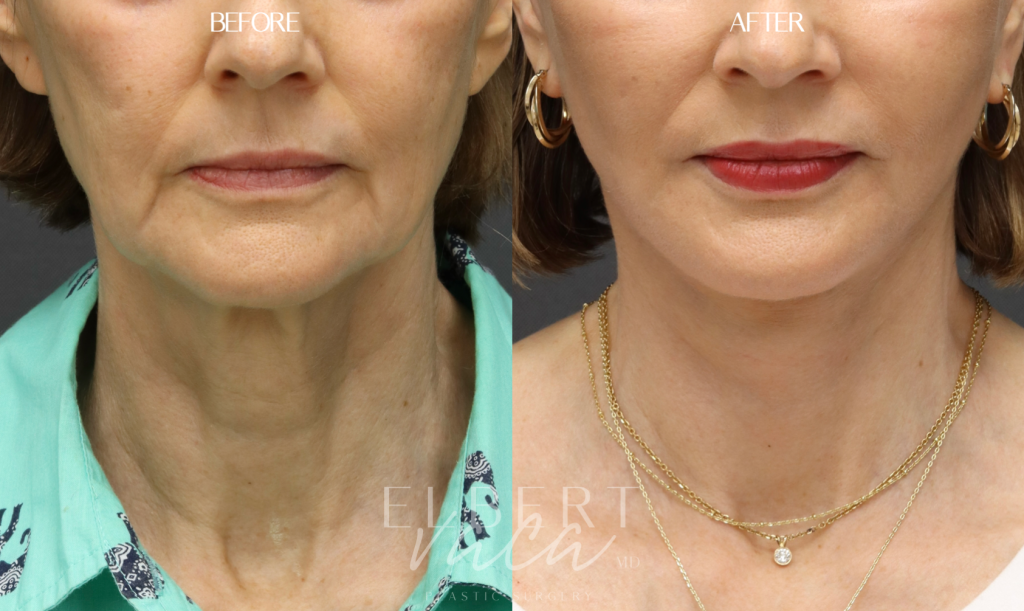
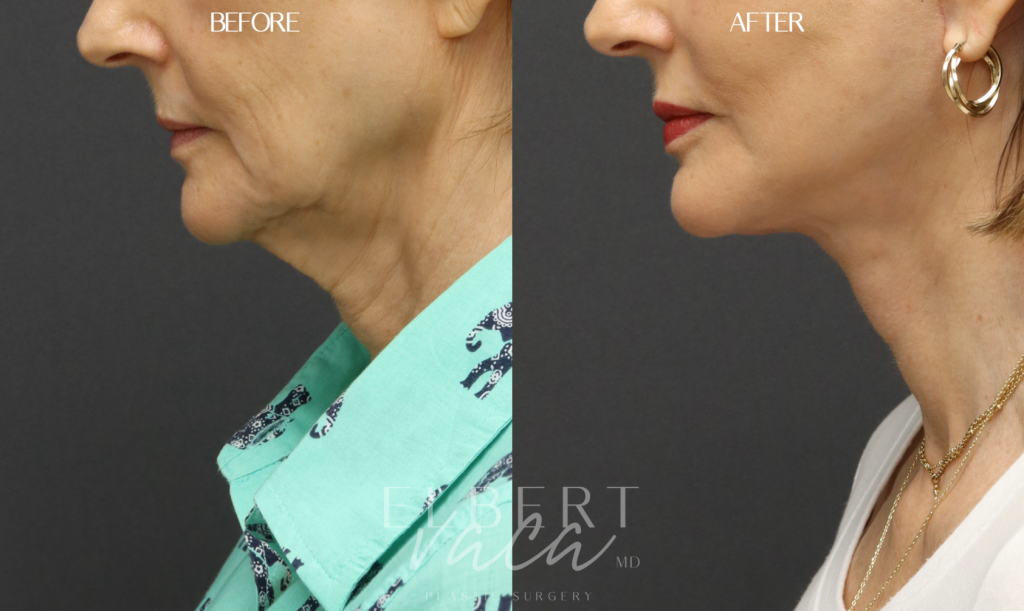

*As always, individual experiences and results will vary per person and procedure.
What to Expect From Recovery
Recovery After a Facelift
After a facelift, patients typically experience swelling and bruising, most pronounced in the first week. Discomfort is generally well managed with prescribed medication. Many people feel comfortable returning to social activities within 2 weeks, though subtle improvements in facial contour and swelling resolution continue for several months. It’s important to follow your surgeon’s instructions closely for optimal healing.
Recovery After a Neck Lift
Neck lift recovery includes wearing a compression garment to support the healing tissues and minimize swelling. Tightness or mild discomfort is common in the early days, but typically resolves quickly. As swelling diminishes, the jawline and neck contour gradually refine, with final results taking shape over the next several weeks.
Recovery When Combining Procedures
The total downtime for a combined facelift and neck lift is often similar to a standalone facelift. Patients benefit from a single recovery period with more comprehensive, visible improvements in both the lower face and neck.
The Best Procedure Is the One That Addresses Your Unique Anatomy
Choosing between a facelift and a neck lift should never be based solely on age or internet research. Each person’s aging pattern is unique, shaped by genetics, bone structure, skin quality, and lifestyle factors. An in-depth consultation and anatomical assessment are essential to identify the most effective plan for your individual needs. While online resources can provide a starting point, only a personalized approach ensures you receive the safest and most natural-looking outcome.
Discover Your Most Natural-Looking Rejuvenation Plan
True facial rejuvenation isn’t about changing your appearance – it’s about restoring balance, harmony, and youthful definition so you look like the best version of yourself. The most successful outcomes come from addressing your unique anatomy and aesthetic concerns rather than choosing a procedure by name.
To learn whether a facelift, neck lift, or a combined facial rejuvenation approach is right for you, schedule a consultation with Boca Raton plastic surgeon Dr. Elbert Vaca by calling (561) 393-9898. Through a personalized evaluation and meticulous surgical planning, Dr. Vaca develops treatment plans designed to restore natural facial balance while preserving the unique features that make you, you.